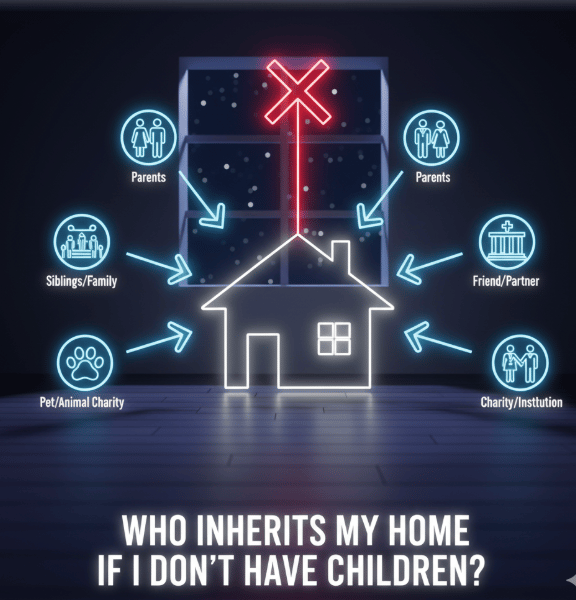
It’s a fact of life that, for many of us, the homes we live in will outlive us. Even if we own our homes outright, our time as caretakers is temporary. That’s why estate planning—especially deciding who inherits your home—is one of the most important steps you can take to ensure your wishes are honored. Without clear direction, the state will decide for you, and those results may not reflect what you truly want.
If a homeowner dies without a will, they are said to have died intestate. Every state has “intestacy laws” that determine how property is distributed in these cases. Typically, the order starts with your surviving spouse, followed by your children, parents, siblings, nieces, nephews, and then increasingly distant relatives.
If no living relatives can be found, ownership of your home reverts to the state. “The state doesn’t care about closeness or surrounding context, just the lineage,” explains Shane Lucado, founder and CEO of legal tech platform InPerSuit. “So in a $400,000 mortgage-free house, you could end up with your brother from Ohio inheriting it even if you haven’t talked in a decade.”
For people without children, intestacy laws can produce unexpected or even unwanted outcomes. Maybe you’re close to a lifelong friend or an unmarried partner who isn’t recognized as a legal heir. Without written instructions, these individuals won’t receive anything—no matter how important they are to you.
Creating a will or a trust puts you back in control of what happens to your home. You can name a beneficiary of your choosing, whether that’s a family member, a friend, a charitable organization, or a partner. A properly drafted estate plan also helps your loved ones avoid costly probate delays, legal disputes, and confusion.
For child-free homeowners, this flexibility is especially valuable. You may wish to support causes you care about, reward those who’ve been part of your life journey, or ensure that your property serves a meaningful purpose after you’re gone.
Estate planning isn’t just for the wealthy—it’s for anyone who owns something of value and wants to decide what happens next. A will, power of attorney, and living trust are foundational tools that give you peace of mind and protect those you care about most.
If you don’t have children, it’s even more critical to outline your wishes clearly. Otherwise, the state’s one-size-fits-all approach will decide your legacy for you. By planning ahead, you ensure your home—and your story—continues in the way you intend.